
1 | Charge air distributor |
2 | Fuel lines |
2a | Bracket |
2b | Bracket |
3 | Fuel filter |
3a | Bracket |
4 | Bracket |
D09.41-1181-06
Warning | Risk of burn injuries, suffocation and poisoning when working on the exhaust system and the components connected to it. Risk of suffocation and risk of poisoning caused by inhalation of gaseous and solid components of the exhaust. Risk of poisoning caused by skin contact with solid components of the exhaust. | Wear protective clothing and safety glasses. Use the extraction system. Move people out of the hazard area. | |
Warning | Risk of injury to skin and eyes suffering scalding from contact with hot coolantspray. Risk of poisoning from swallowing coolant. | Do not open cooling system unless coolant temperature is below 90 °C. Open cap slowly and release the pressure. Do not pour coolant into beverage containers. | |
Caution | Risk of injury to skin and eyes due to handling of engine oil. Risk of poisoning caused by swallowing engine oil | Wear protective gloves, protective clothing and safety glasses. | |
Danger | Risk of explosion caused by fuel igniting. Risk of injury to skin and eyes caused by fuel spraying out at high pressure | Keep all ignition sources out of hazard area. | |
Danger | Risk of explosion caused by fuel igniting, risk of poisoning caused by inhaling and swallowing fuel as well as risk of injury to eyes and skin caused by contactwith fuel. | No fires, sparks, open flames or smoking. Pour fuels into suitable and appropriately marked containers only. | |
Topical note | Notes on threaded connections fastened using a tightening angle-based tightening process | ||
| Remove/install | ||
1 | Drain off coolant | ||
2 | Remove engine hood | ||
3 | Remove the dust filter | ||
| |||
4 | Remove coolant hoses from coolant thermostat | ||
5 | Rotate engine at crankshaft in direction of engine rotation and place piston for cylinder 1 at top dead center (ignition TDC) | ||
Socket wrench bit | |||
Retaining pins | |||
6 | Remove the rail | ||
7 | Remove the bracket (2a) of the fuel lines (2) on the charge air distributor (1) and on cylinder head | M71 | |
M81 | |||
8 | Remove bracket (2b) | Installation: Pay attention to different lengths of screws. | |
9 | Remove bracket (4) on charge air distributor (1) | ||
10 | Remove fuel lines (2) on charge air distributor (1) | ||
11 | Remove fuel lines (2) on holder (2a) and place the holder (2a) with the engine wiring harness to one side | ||
12 | Remove fuel filter (3) | ||
13 | Remove holder (3a) | Screw/bolt, support to engine bracket | |
Screw/bolt, support to charge air distributor | |||
14 | Remove charge air pipe | ||
15 | Remove coolant hose on exhaust gas recirculation positioner | ||
16 | Remove vacuum pump | ||
17 | Remove high-pressure pump | ||
18 | Remove exhaust gas turbocharger | ||
19 | Remove chain tensioner | ||
Do not remove alternator. | |||
20 | Remove camshaft case | ||
21 | Remove intermediate gear for high-pressure pump | ||
22 | Slacken and remove cylinder head bolts in the reverse order of the tightening procedure in stages once engine has cooled down | ||
Screw/bolt, cylinder head to crankcase | |||
Bolt, cylinder head to timing case cover | |||
23 | Remove cylinder head with an assistant | Loosen a jammed on cylinder head with light blows at the outer edges using a suitable plastic mallet. | |
Installation: When bottoming the cylinder head watch out for the pilot bushing. | |||
24 | Remove charge air distributor (1) | When replacing the cylinder head. | |
25 | Remove the coolant thermostat | When replacing the cylinder head. | |
26 | Remove exhaust manifold | When replacing the cylinder head. | |
27 | Remove valves | When replacing the cylinder head. | |
28 | Clean sealing surfaces on cylinder head and on crankcase | ||
Loctite 7200 | |||
Loctite 7063 (400 ml) cleaning spray | |||
| Check | ||
29 | Check sealing surface on cylinder head for damage | If damaged | |
| |||
Replace cylinder head. | |||
30 | Check cylinder head bolts | ||
Cylinder head bolt | |||
If necessary | |||
| |||
Replace cylinder head bolts. | |||
31 | Install in the reverse order | ||
Warning | Risk of accident from vehicle starting off by itself when engine running. Risk of injury (bruises and burns) resulting from working on the engine while it is being started or when it is running. | Secure vehicle to prevent it from starting off by itself. Wear closed and snug-fitting work clothes. Do not touch hot or rotating parts. | |
32 | Perform an engine test run and check engine for proper operation and leak tightness |

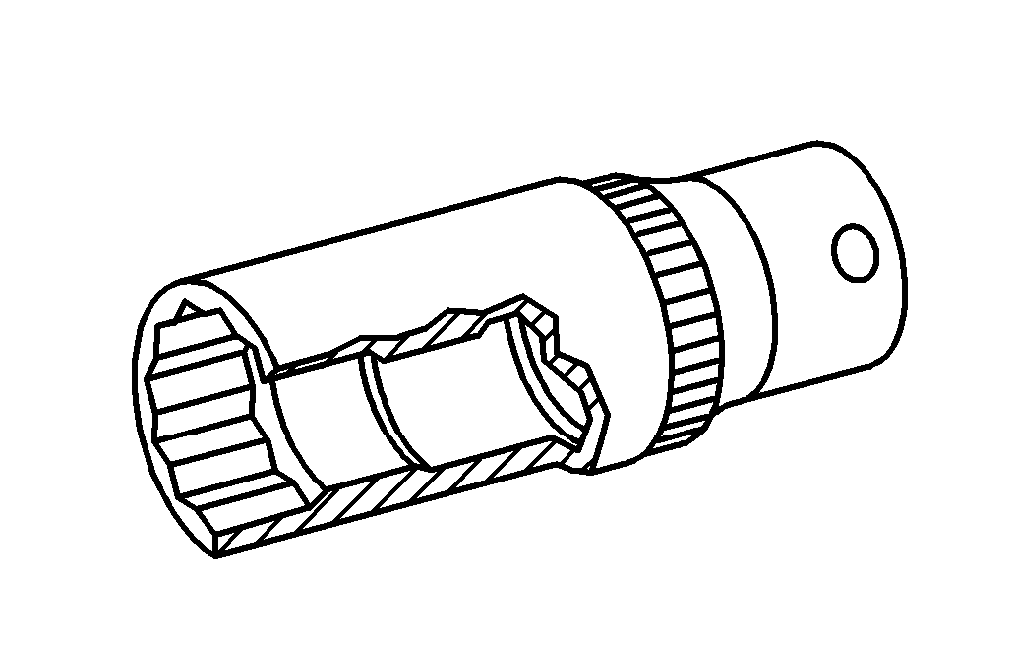
111 589 03 15 00
Retaining pins
001 589 65 09 00
Socket wrench bit
Powiązane dokumenty
- ah0000p002001a Wskazówki dotyczące połączeń śrubowych tworzonych według kąta dokręcenia
- ap8300d8384r Wymiana filtra zespolonego
- ar0100p005001a Usuń środek uszczelniający.
- ar0130d580001r
- ar0130d580003r
- ar0310d704103r
- ar0510d4650r
- ar0510d7800r
- ar0520d6995r
- ar0530d3511r
- ar0702d1020r
- ar0703d1010r
- ar0940d6020r
- ar0941d1310r
- ar0941d1311r
- ar1410d3915r
- ar1420d7662r
- ar2000d1140r
- ar2010d2461r
- ar4305d1320f
- ar4720d1070r
- ar8840d3000f
- as0000z000501a Niebezpieczeństwo wypadku na skutek samoczynnego ruszenia przy pracującym silniku. Niebezpieczeństwo obrażeń na skutek zmiażdżenia lub poparzenia przy wykonywaniu czynności podczas rozruchu lub przy pracującym silniku.
- as0716z000101a Niebezpieczeństwo eksplozji w wyniku zapalenia się oparów paliwa. Niebezpieczeństwo obrażeń skóry i oczu przez wytryskujący strumień paliwa.
- as1800z000101a Niebezpieczeństwo obrażeń skóry i oczu podczas kontaktu z olejem silnikowym. Niebezpieczeństwo zatrucia wskutek połknięcia oleju silnikowego
- as2000z000101a Niebezpieczeństwo zranienia skóry i oczu przez poparzenie wytryskującym, gorącympłynem chłodzącym. Niebezpieczeństwo zatrucia na skutek połknięcia płynu chłodzącego
- as4700z000101a Niebezpieczeństwo wybuchu wskutek zapalenia, niebezpieczeństwo zatrucia wskutek wdychania i połknięcia paliwa oraz niebezpieczeństwo obrażeń wskutek kontaktu skóry i oczu z paliwem.
- as4900z000101a Niebezpieczeństwo poparzenia, uduszenia i zatrucia podczas prac przy układzie wydechowym i połączonych z nim elementach. Niebezpieczeństwo uduszenia i zatrucia przez wdychanie gazowych i stałych składników spalin. Niebezpieczeństw