Engine | 372 in model 682.118/128/191 |
Engine | 374 in model 688.101/102/103/111/118/121/123/133/143/156/157/158/159 |
Engine | 374 in model 688.156/174/176/177/187/270/272 |
Engine | 374 in model 693.023 |
Engine | 376 in model 382.004/005/010/020/022/033/058/068/069, 384.081/085/087/088/091/097/098 |
Engine | 376 in model 384.003/004/009/014/023/024/041/045/047/114/145, 386.004/014/015/024/025/027/041/043/045/314/354/364/367/369, 682.003/023/027/028/081/102/103/107/108/118/122/123/127/128/132/133/181/183/186/191/195/308/313/318 |
Engine | 377 in model 382.004/005/020/022/033/034/058/069, 384.072/073/081/087/088 |
Engine | 377 in model 693.108/127/128/144/182/184/191/195, 694.004/024/041/047, 695.013/014/015/016/039/043/056/301/302 |
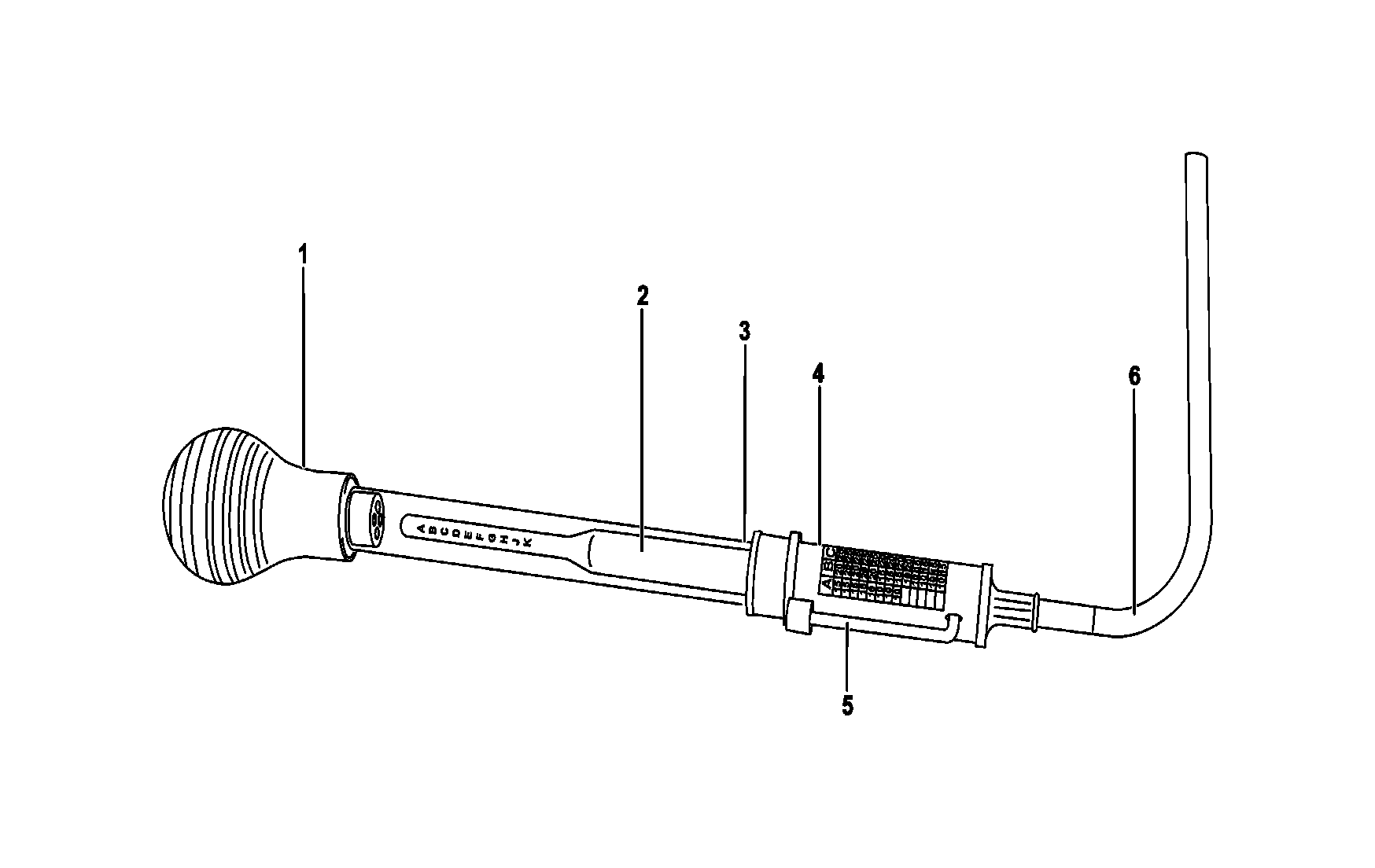
B20.00-0049-09
1 | Rubber bulb | 4 | Concentration indicator plastic tube | |
2 | Reference float with letters from A to K | 5 | Indicator thermometer | |
3 | Glass tube | 6 | Coolant catching plastic hose |
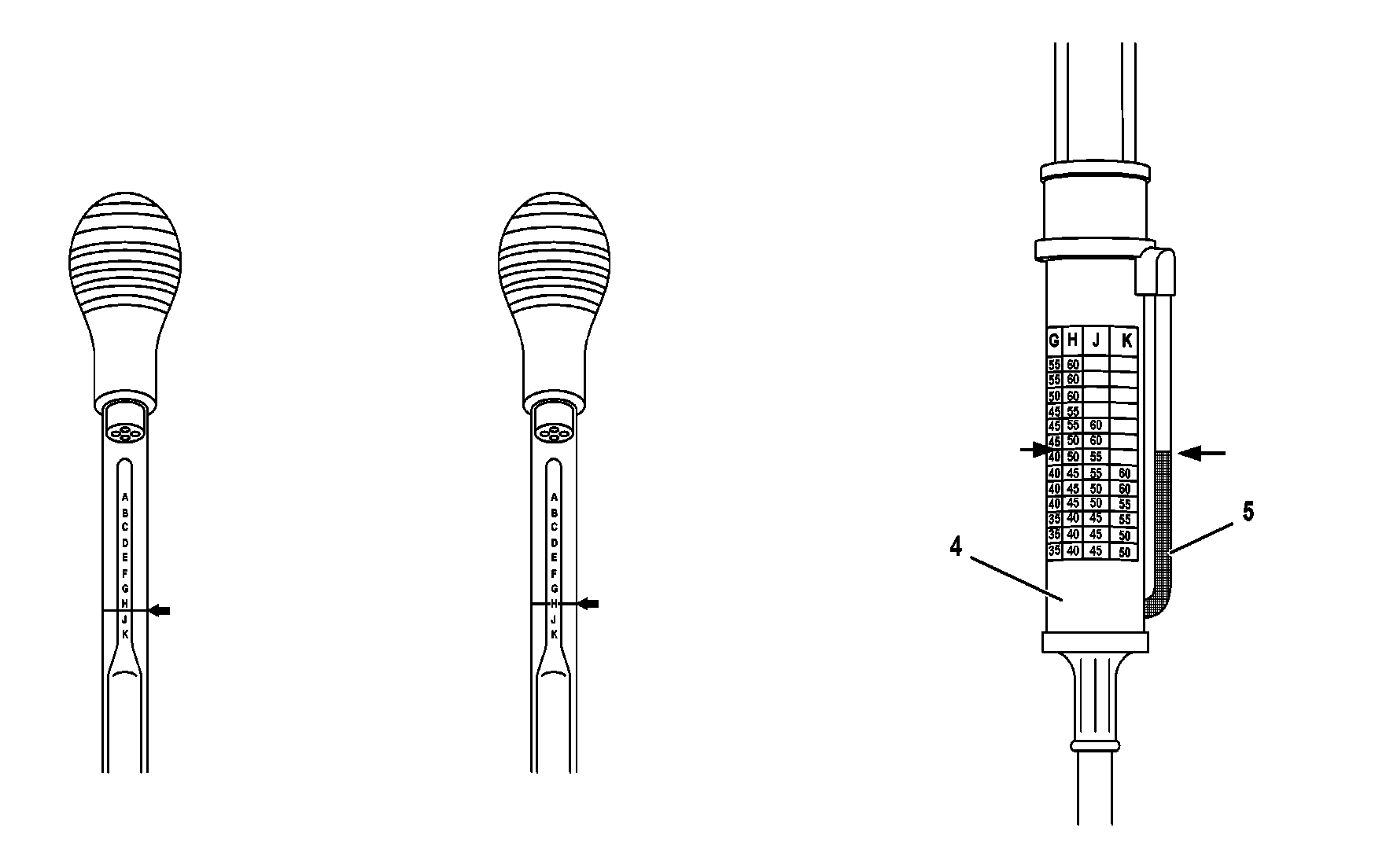
B20.00-0048-09
Warning | Risk of injury to skin and eyes suffering scalding from contact with hot coolantspray. Risk of poisoning from swallowing coolant. | Do not open cooling system unless coolant temperature is below 90 °C. Open cap slowly and release the pressure. Do not pour coolant into beverage containers. | |
Danger | Risk of explosion from pressurized spray cans | Protect cans from direct sunlight and temperatures above 50 °C | |
1 | Put fresh water in the container and add additive in the proportion of 50% in volume | ||
Topical note | Notes on coolant | ||
2 | Thoroughly stir the mix so it becomes homogeneous | The coolant, during the concentration measurement with a hydrometer, must not exceed 50 °C nor be below 10 °C. | |
3 | Vacuum the coolant with the hydrometer and determine the positioning of the float (2) in relation to the surface of the vacuumed coolant | In order to avoid parallax reading errors, keep the hydrometer in vertical position at sight height. | |
4 | Consider the letter engraved on the float (2) closest to the surface of the vacuumed coolant | Being (H) the closest letter to the coolant surface, the same will have to be considered for determining the concentration of the coolant analyzed. | |
5 | In those cases where the coolant surface is between two letters, consider the two | Being the coolant surface situated at the same distance between the two letters (H) and (J), these will have to be considered for determination of the coolant analyzed. | |
6 | Check the position of the thermometer (5). The intersection of this with the column corresponding to the float letter determined before, will establish the percentage, in volume, of the additive existing in the mix | In those cases where two float letters were determined, the percentage of additive, in volume, will be the average value of the result obtained for each letter. | |
To satisfy the purpose of anti-corrosion protector, the coolant will have to contain 50% in volume of additive. Such concentration of (50%), measured with the hydrometer will have to: | |||
7 | Should it be necessary, make the respective corrections in the proportion of the mix | Add more additive or more fresh water until obtaining the ideal proportion. | |
8 | Once the reading is concluded, return the coolant inside the hydrometer to the container (or to the expansion reservoir when measuring on the vehicle) | ||
9 | Rinse the hydrometer with clean water and clean it carefully |
Referenced documents
- ah2000n208001a Notes on coolant
- as0000z001501a Risk of explosion from pressurized spray cans
- as2000z000101a Risk of injury to skin and eyes suffering scalding from contact with hot coolantspray. Risk of poisoning from swallowing coolant.